The turning point: how Alcaraz transformed his serve at the US Open
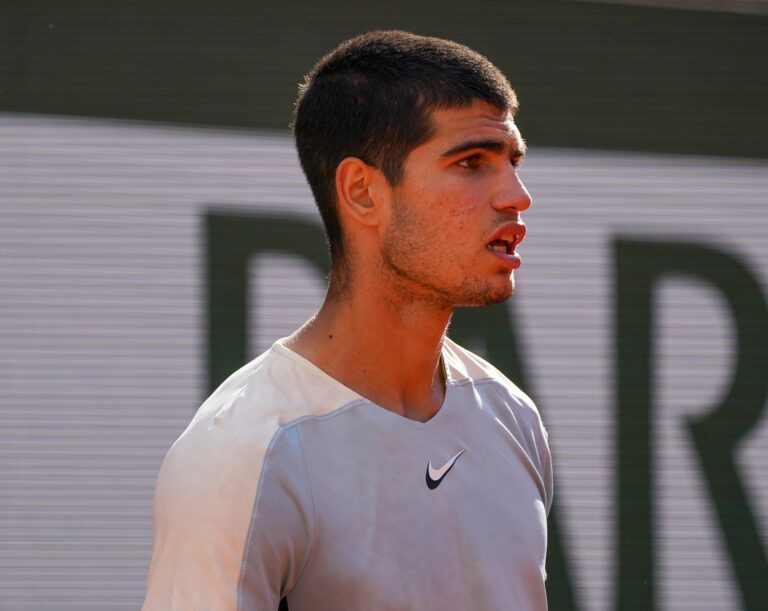
Over the past two seasons, Carlos Alcaraz has established himself as a player capable of winning any Grand Slam thanks to his versatility.
The Spaniard has long been known for his speed, variety of shots, and ability to control rallies from the baseline. The one element that lagged behind was his serve – it was never unreliable, but it wasn’t a real weapon either. Breaking Alcaraz was generally easier than breaking, for example, Jannik Sinner. At the 2025 US Open, this picture shifted: Alcaraz is not a serving machine yet, but the progress suggests he might be getting there.
The numbers from the 2025 season give a clear view of his serving level before New York. According to ATP and independent analytics, Alcaraz landed 65.7% of his first serves on average. That’s slightly above the tour average, but not outstanding.
In terms of effectiveness, he won 73.6% of points on his first serve and 57.7% on his second. Solid numbers, but not ones that consistently gave him a cushion over opponents. On average, he served 4.4 aces and 2.6 double faults per match. His percentage of service games won stood at 86.7% – in line with the ATP top 10, though still short of the true serving specialists.

These are good stats overall, but they also meant Alcaraz often relied on his return game. When opponents’ first-serve percentage dipped, he could take control. But this also left him vulnerable, which led to some tough defeats earlier in the season (to Goffin in Miami, Rune in Barcelona, and Sinner at Wimbledon).
At the US Open, his serve looked different: more reliable, more effective.
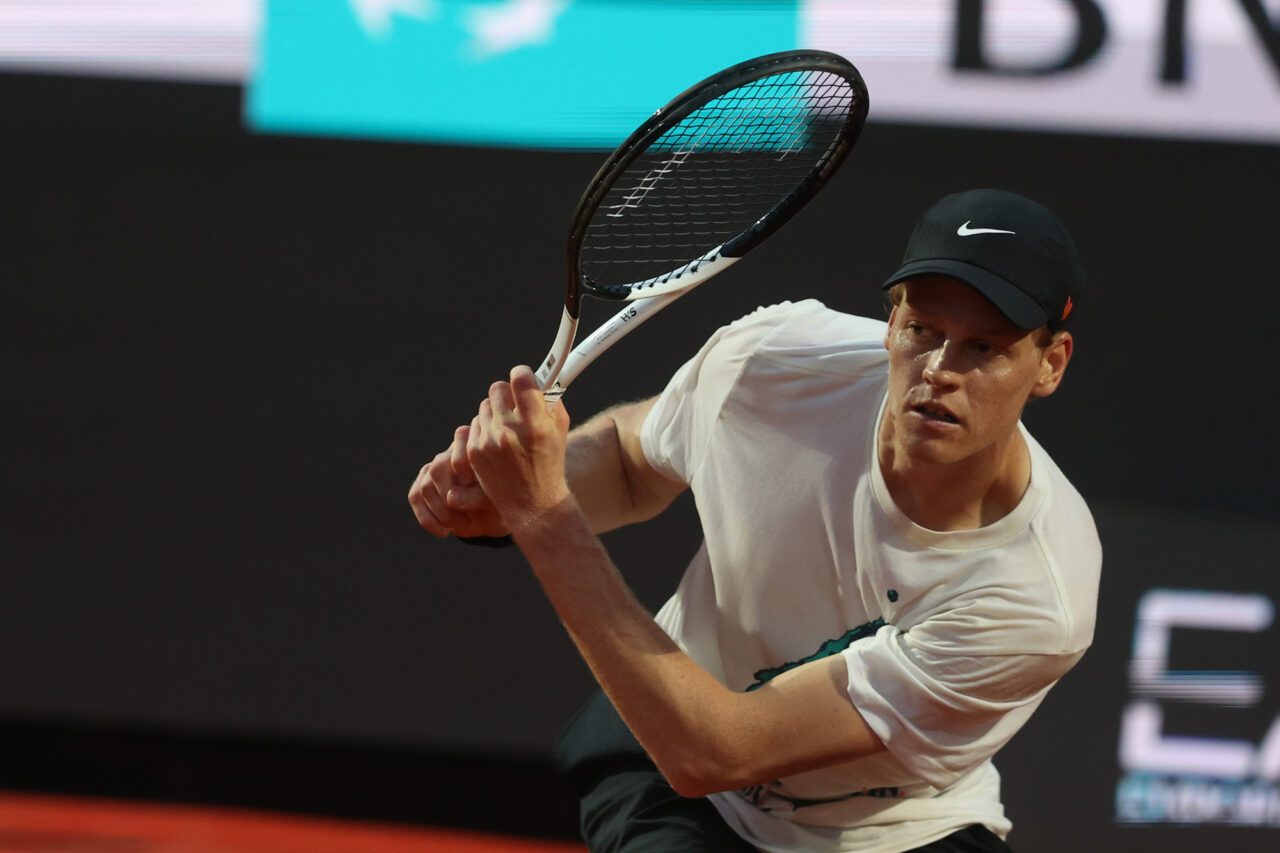
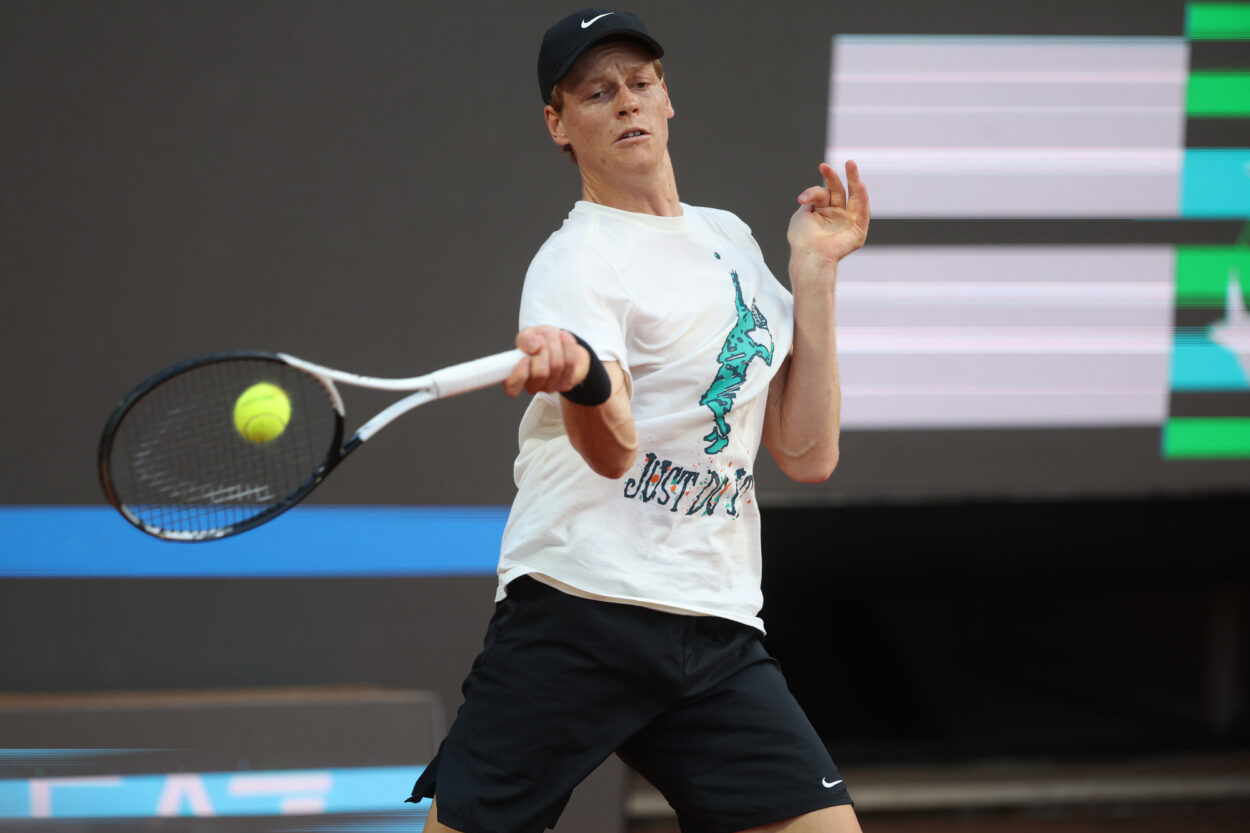
Across the tournament, Alcaraz was broken only three times, winning every match in straight sets – even against Novak Djokovic. The only player to take a set from him was Sinner in the final. His percentage of service games won jumped from 86.7% to almost 97%.
The final itself is the clearest example. His first-serve percentage wasn’t especially high at 61%, but what stood out was how effectively he won those points: he captured 83% of them, almost 10 percentage points higher than his season average. The power behind his serve also improved. In the final, his average first-serve speed was around 193 km/h, peaking at 216 km/h. Just as importantly, he eliminated errors – not a single double fault in the match, whereas during the season he averaged more than two per match.
This combination of precision on serve, Alcaraz’s all-around game, and his physical condition made him nearly untouchable – even for Sinner, who symbolically lost his world No. 1 spot in that final.
After Wimbledon, coach Juan Carlos Ferrero mentioned they had been working on certain aspects of Alcaraz’s game, though he didn’t specify which. Watching him in New York, the focus now seems obvious. Grass courts, even when slowed down, still demand a strong first serve, and Alcaraz has developed one with remarkable speed. That, perhaps, is the toughest part for his opponents: how quickly it arrived.
The Spaniard set an unimaginable standard on American hard courts, and the intrigue at the end of the season is whether he will be able to maintain that level on indoor hard courts. Traditionally, Spanish players have struggled in these conditions. But Alcaraz has already shown he is anything but typical.
Photo: Depositphotos