
Why Masters finals are now more often moving away from Sundays
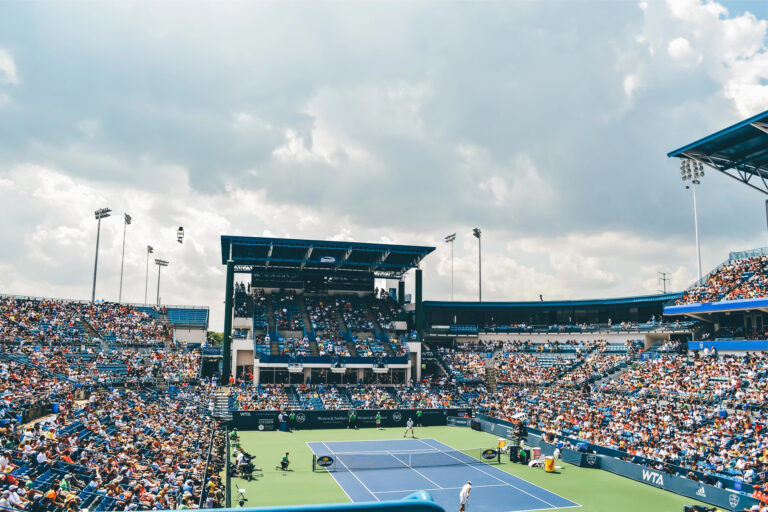
The Cincinnati Open is set to finish on a Monday for the second year in a row. For fans it may have looked like a scheduling glitch, but in fact the shift is a direct result of the Masters 1000 reform that changed the calendar and the scale of these events.
Back in 2023, ATP decided to extend several key tournaments to 12–14 days and expand the draw to 96 players. The idea was simple: bring the Masters closer to “mini-Grand Slam” status, with longer duration, more tickets, more broadcast hours, and a bigger tourism boost for host cities.
Today, Indian Wells, Miami, Madrid, Rome, Shanghai, and now Cincinnati follow this format. On paper it makes sense: more tennis means more value. Officially, finals are still scheduled for Sundays, but the longer format and the tight calendar before the US Open make a Sunday finish far from guaranteed.
Cincinnati is not the only case. This season the Canadian Masters also ended on an unusual day — with its final played on a Thursday — raising more questions about a congested schedule.
Players have spoken out. Jannik Sinner said the “old one-week format was simpler and more logical,” while Stefanos Tsitsipas called the two-week Masters “a step backward,” pointing to lower match quality and less recovery time.
For organizers, the benefits are obvious: more days mean more tickets sold, higher hotel turnover, stronger sponsorship deals and broadcast contracts. Tournaments get to showcase themselves in a “longer shop window,” keeping fans’ attention for nearly two weeks.

For players and audiences, the formula is less convincing. A Monday final leaves only six days to recover before the US Open, while TV partners risk losing part of their audience that expects weekend finals. To be fair, expanded draws give lower-ranked players rare opportunities to reach the main draw and compete on a bigger stage.
For now, Monday finals are more the exception than the rule. But back-to-back cases in Cincinnati, plus scheduling shifts in Canada, show that commercial reforms are changing the traditional rhythm of the tour — and not everyone is happy about it.
Cover photo: Cincinnati Open. Depositphotos