
How Sinner’s illness in Cincinnati fuels criticism of ATP
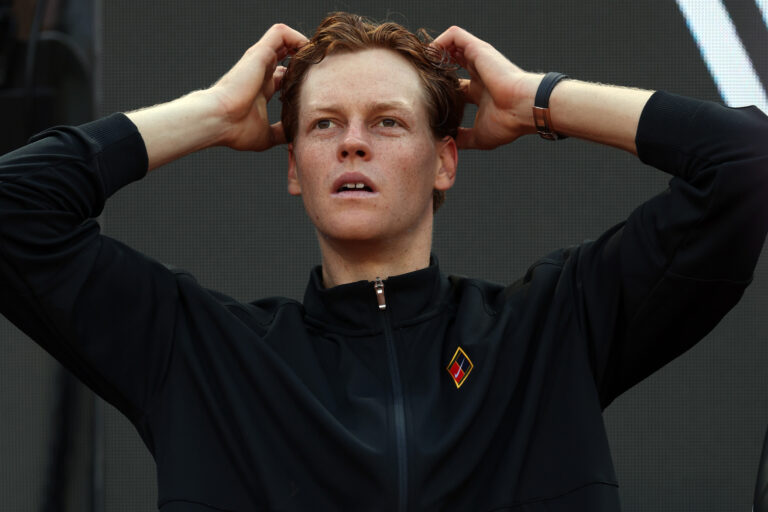
The Cincinnati final, meant to be one of August’s headline events, ended almost before it began.
Jannik Sinner, struggling throughout twenty minutes of play in the heat, told the umpire he felt he could collapse at any moment and walked off court. The scoreboard showed 0–5 in Alcaraz’s favor, but the result mattered less than the fact itself: the match everyone had anticipated collapsed before their eyes.
The whole week carried the same theme of exhaustion.
Carlos Alcaraz spoke about stomach problems and played with his wrist taped. Alexander Zverev looked so drained in the semifinal that he needed a medical timeout, complained of dizziness, and barely finished the match against Alcaraz. When several top players are simultaneously on the verge of breaking down, it becomes harder and harder to call it coincidence.
Critics of the expanded Masters see in this a strong argument: the longer format doesn’t solve the problem, it hides it.
Yes, tournaments now stretch across two weeks, but for top players this means another string of matches with no real recovery time. In the August heat and humidity of the U.S., the strain only intensifies.
Organizers respond that the format is dictated by the market. Cities pay tens of millions of dollars for hosting rights, broadcasters demand top names on court every day, and sponsors invest precisely because they want guaranteed high-profile tennis. But if the outcome is finals that end with a medical report instead of a sporting climax, the product loses value — for fans and for brands alike.
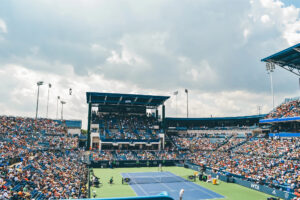
For the wider industry this is not an abstract debate. Brand managers, federations, and clubs put money into the sport expecting stories and spectacle. When instead of a duel between two leaders they see a match cut short in the first set, trust in the system erodes.
Cincinnati 2025 may stand as a clear warning: the tour’s overload is no longer just theory — it is starting to undermine the very appeal of the product. The real question is how many more finals like this the ATP can afford before sponsors begin treating such collapses as an expected scenario.
Cover photo: Jannik Sinner. Depositphotos